Traditional roofs often block light and make spaces feel closed and dark. Modern design moves in the opposite direction, focusing on open, bright environments filled with natural daylight. This is where Acryldach becomes important. Acryldach is a roofing system made from acrylic sheets, also known as PMMA, designed to allow sunlight in while still protecting against rain, wind, and UV rays. In simple terms, it is a smart solution that combines shelter with brightness.
Acryldach roofing is becoming popular because people want more natural light in their homes and buildings. It is widely used in patios, skylights, and outdoor spaces where comfort and visibility matter. When people search “what is Acryldach,” they are usually looking for a modern roofing option that is both practical and visually appealing. This article will explain everything in detail, including its meaning, material, features, uses, advantages, disadvantages, and whether it is the right choice for your needs.
What Is Acryldach?
Acryldach is a roofing system made from acrylic (PMMA) sheets designed to allow natural light while protecting against the weather. The term comes from German, where “Acryl” means acrylic and “Dach” means roof. It clearly describes a roof built using transparent or semi-transparent acrylic material.
This type of roofing can transmit up to 92% of visible light, making it one of the best options for bright and open spaces. It is commonly used for patios, carports, skylights, greenhouses, and commercial buildings. Acryldach roofing is valued for its balance of strength, clarity, and lightweight structure. It is widely used in modern construction because it provides both protection and natural lighting. When people search for Acryldach’s meaning or what Acryldach is, they are usually looking for a roofing solution that feels open but still offers reliable coverage.
The Material Behind Acryldach: Understanding PMMA
The main material used in Acryldach is PMMA, which stands for polymethyl methacrylate. It is a transparent thermoplastic that is often used as a strong and lightweight alternative to glass. Many people know it by popular names like Plexiglas or Perspex. This material has been used for decades in architecture, engineering, and design because of its reliable performance.
PMMA is known for its high clarity, which allows a large amount of light to pass through. It is also lightweight, which makes it easier to transport and install compared to glass. Another important property is its resistance to UV rays. High-quality acrylic sheets do not easily turn yellow, which helps maintain a clean and clear appearance over time.
Compared to regular plastic, PMMA is stronger, more durable, and more stable under sunlight. It does not easily break, and it can handle outdoor conditions for many years. This is why it is trusted in roofing systems. Its long history of use in construction adds confidence that it is a dependable material for both residential and commercial applications.
Key Features of Acryldach Roofing
Acryldach roofing stands out because of several important features that make it suitable for modern construction. One of the most notable is high light transmission, which can reach up to 92 percent. This allows spaces under the roof to stay bright and open during the day without needing artificial lighting.
Another key feature is its lightweight structure. Acryldach panels are about half the weight of glass, which reduces the load on supporting structures and makes installation easier. This also lowers overall construction costs.
It also offers strong weather resistance. The material can handle rain, sunlight, and wind without losing its strength. With proper UV protection, it maintains clarity for many years.
Durability is another advantage. Acryldach can last for decades with basic care, making it a reliable long-term option.
Finally, it provides excellent design flexibility. The panels can be shaped, colored, or textured to suit different styles. This makes it easy to match both modern and traditional designs while still keeping the benefits of natural light.
Types of Acryldach Systems
Acryldach is not a single product but a group of different systems designed for specific uses. One common type is solid flat sheets. These are clear or slightly tinted panels used for patios, skylights, and balcony covers. They provide a clean and modern look while allowing maximum light.
Another type is corrugated panels. These have a wave-like shape that adds strength and makes them suitable for carports, sheds, and outdoor structures. They are often used in areas where durability and easy installation are important.
Multiwall panels are designed with internal layers or air gaps. These provide better insulation, making them ideal for greenhouses and enclosed spaces. They help maintain temperature while still allowing light to pass through.
There is also liquid acrylic roofing, which is applied as a coating on flat roofs. It creates a waterproof layer and is commonly used in renovation projects. Each type serves a different purpose, and the choice depends on the specific needs of the project.
Where Is Acryldach Used?
Acryldach is used in many areas because it combines protection with natural light. In residential spaces, it is commonly used for patios and pergolas. It allows homeowners to enjoy outdoor areas without being exposed to rain or strong sunlight.
Carports are another popular use. Acryldach protects vehicles while keeping the space bright and open. Skylights are also a key application. They bring daylight into indoor areas, reducing the need for artificial lighting.
Greenhouses benefit greatly from Acryldach because plants need consistent light. The material helps distribute sunlight evenly while protecting plants from harsh weather.
In commercial buildings, it is used in atriums, walkways, and large open spaces. It improves visibility and creates a more comfortable environment. The reason it is chosen in all these cases is simple. It provides a balance between strength, light, and modern appearance, making it a practical choice for many different projects.
Advantages of Acryldach
One of the main advantages of Acryldach is natural daylight. It allows sunlight to enter the space, making areas feel larger and more welcoming. This also reduces the need for artificial lighting, which can lower energy costs.
It is also a cost-effective option. Compared to glass roofing, it provides similar visual benefits at a lower price. This makes it accessible for both small and large projects.
Another benefit is easy installation. Because the material is lightweight, it can be handled and installed more quickly, which reduces labor time and cost.
Acryldach also requires low maintenance. Simple cleaning with water and mild soap is enough to keep it in good condition. There is no need for complex treatments or frequent repairs.
Its modern appearance is another reason people choose it. The clean and transparent look fits well with contemporary designs. Overall, Acryldach offers a strong combination of practicality, affordability, and visual appeal.
Disadvantages of Acryldach
Despite its many benefits, Acryldach also has some limitations. One common issue is scratch sensitivity. The surface can get scratched if cleaned with rough materials or handled carelessly.
Thermal expansion is another important factor. The material expands and contracts with temperature changes. If it is installed too tightly, it can crack over time. This is why proper installation is essential.
Acryldach also has lower impact resistance compared to polycarbonate. While it is stronger than glass, it may not be suitable for areas with heavy impact risks.
Another concern is possible yellowing. Low-quality panels without proper UV protection can lose clarity over time. This affects both appearance and performance.
Finally, single-layer sheets offer limited insulation. This may not be ideal for spaces that require temperature control. These disadvantages do not make it a bad choice, but they highlight the importance of choosing quality materials and correct installation methods.
Acryldach vs Other Roofing Materials
When comparing Acryldach with other materials, each option has its strengths. Compared to glass, Acryldach is lighter and easier to install. It also offers better resistance to breaking. However, glass has higher scratch resistance and can last longer in some cases.
When compared to polycarbonate, the difference becomes clearer. Polycarbonate is stronger in terms of impact resistance. It is often used in areas where safety is the main concern. However, Acryldach provides better optical clarity and does not lose its appearance as quickly over time.
Metal roofing is very durable and can last for many years, but it does not allow light to pass through. This makes it unsuitable for spaces where natural lighting is needed. Acryldach fills this gap by providing both protection and brightness.
The choice between these materials depends on the purpose. If clarity and appearance are important, Acryldach is a strong option. If impact resistance is the priority, polycarbonate may be better.
Installation Guide: What You Need to Know
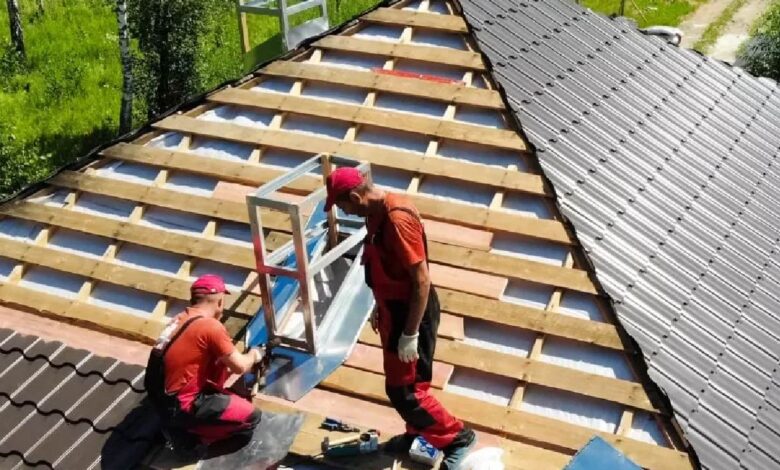
Installing Acryldach requires careful planning to ensure long-term performance. One of the most important factors is allowing for thermal expansion. The panels must have enough space to expand and contract with temperature changes. If this is ignored, cracks may develop over time.
Proper fixing methods are also important. Screws should not be tightened too much, and rubber washers are often used to protect the material. This helps prevent stress on the panels.
The roof should also have a slight slope. This allows water to flow off easily and prevents pooling. Flat installations can lead to long-term problems.
Choosing the right thickness is another key decision. Thicker panels are needed for larger spans or areas exposed to strong weather.
While simple projects can be done by experienced individuals, professional installation is recommended for larger or complex structures. Improper installation can lead to cracks and reduce the lifespan of the roof.
Maintenance and Lifespan
Acryldach is easy to maintain, which is one of its main advantages. Cleaning can be done with mild soap and water using a soft cloth or sponge. This helps remove dust and dirt without damaging the surface.
It is important to avoid harsh chemicals and rough cleaning tools. These can cause scratches or weaken the material over time.
Regular inspection is also useful. Checking seals and fixings once a year can prevent small issues from becoming bigger problems.
In terms of lifespan, Acryldach can last between 15 and 30 years, depending on the quality of the material and exposure to weather. High-quality panels with UV protection tend to last longer and maintain their clarity. With proper care, it remains a reliable and long-lasting roofing solution.
Cost of Acryldach Roofing
The cost of Acryldach roofing depends on several factors, including thickness, type of panels, and installation requirements. Basic panels are more affordable, while high-quality coated panels cost more but offer better durability.
Budget panels may seem attractive at first, but they often have a shorter lifespan and may turn yellow over time. This can lead to additional replacement costs. Premium panels, on the other hand, provide better performance and last longer, making them more cost-effective in the long run.
Installation costs also vary depending on the size and complexity of the project. Simple structures are cheaper, while larger or custom designs require more investment. Overall, Acryldach is considered a mid-range option that balances cost and performance effectively.
Environmental Impact and Sustainability
Acryldach has some positive environmental aspects. The material can be recycled in certain facilities, which helps reduce waste. Its long lifespan also means fewer replacements, which lowers overall material use.
Another important benefit is energy saving. Allowing natural light into buildings, it reduces the need for artificial lighting during the day. This can lower electricity consumption over time.
However, it is important to note that acrylic is made from petrochemical materials. This means its production has some environmental impact. Even so, its durability and efficiency help balance these concerns. When used properly, it can be part of a more sustainable building design.
Is Acryldach Worth It?
Acryldach is a practical choice for many applications, especially where natural light is important. It works well for patios, skylights, and greenhouses because it provides brightness while offering protection from the weather.
It may not be the best option for areas with heavy impact risks, where stronger materials like polycarbonate are more suitable. However, for most residential and light commercial uses, it offers a good balance of performance and cost.
The overall value of Acryldach comes from its ability to combine style, function, and durability. For people looking for a modern roofing solution that improves comfort and appearance, it is a strong option.
Conclusion
Acryldach is a simple but effective roofing solution that brings natural light into spaces while still providing reliable protection. Its use of acrylic material makes it lightweight, durable, and easy to install. From patios to skylights, it offers a flexible option for both homes and commercial buildings.
While it has some limitations, such as sensitivity to scratches and the need for proper installation, its advantages make it a popular choice in modern construction. The ability to create bright and open environments is one of its strongest features.
With proper installation and basic maintenance, Acryldach can last for many years and continue to perform well. It represents a modern approach to roofing that focuses on comfort, efficiency, and design.