Introduction
Why are so many people searching for “piragnia” instead of piranha? Is piragnia a real fish, or is it simply a spelling mistake that has spread across the internet? These questions have made many curious about the true piragnia meaning and whether piragnia fish actually exist as a separate species. The truth is that piragnia is a term often connected to piranhas, the famous freshwater fish known for their sharp teeth and strong jaws. Many people type piragnia when they are actually looking for information about piranhas, which has created confusion online.
Piragnia is commonly understood as an alternative spelling or mistaken version of the word piranha. It does not refer to a separate scientific fish species but is widely used in online searches and informal discussions to describe the same fish group.
Understanding what is piragnia is important because it helps separate facts from myths. The fish behind this term has been misunderstood for years due to movies, rumors, and dramatic stories. In this article, we will explain piragnia meaning, its origin, its connection to Piranha, where these fish live, how they behave, what they eat, whether they are dangerous to humans, and why they are important for nature.
What Is Piragnia? Meaning, Origin, and Explanation
Piragnia is a word that many people use when searching for piranha-related information. If you are asking what does piragnia mean, the simple answer is that it is usually a spelling variation or alternative form of the word piranha. It does not represent a new species or a special type of fish. Instead, piragnia meaning comes from language confusion, pronunciation differences, and online search habits.
The origin of the term piragnia is not scientific. It appears to have developed through common spelling mistakes or spoken misunderstandings. Sometimes when words travel between different languages or accents, they change slightly. This is normal in language evolution. A person hearing “piranha” may spell it as piragnia because it sounds similar depending on pronunciation.
Regional language differences can also shape words over time. In some areas, local speech patterns create variations of existing words, and these versions may spread online. Social media, blogs, and user-generated content have made this even more common. Once a spelling like piragnia starts appearing often, search engines recognize it as a searchable keyword.
This is why piragnia meaning is strongly linked to piranha. The fish itself remains the same, but the term reflects how language changes through human use and internet behavior.
Is Piragnia the Same as Piranha? Understanding the Difference
Many people wonder if piragnia and piranha are different. The direct answer is no. Piragnia is not a separate fish species. It is simply another way people refer to piranhas, often through spelling mistakes or pronunciation differences. Understanding piragnia vs piranha is important because many websites and online searches treat them like different things when they are not.
The real scientific fish group is called Piranha. Piranhas belong to the family Serrasalmidae and are freshwater fish found mainly in South America. Their scientific classification places them in genera such as Pygocentrus and Serrasalmus. These are the real biological names used by scientists.
The confusion between piragnia and piranha mainly exists online. Search engines record what users type, and when enough people search for piragnia, it becomes recognized as a keyword. However, science does not recognize piragnia as an official name.
There are several piranha species, including the red-bellied piranha, black piranha, and wimple piranha. All of these belong to the piranha family, not piragnia. So when comparing piranha and piragnia difference, the truth is simple: piragnia is language-based, while piranha is the actual fish.
History and Evolution of the Term Piragnia
The history of piragnia is closely connected to the digital world. Unlike scientific terms that are officially created and studied, piragnia developed naturally through human error and online usage. The piragnia origin seems to come from spelling mistakes that slowly became popular as internet searches increased.
In earlier years, before search engines became powerful, wrong spellings usually disappeared quickly. But now, when many people type the same incorrect word, search engines notice it. If thousands of users search piragnia, it becomes part of online search trends.
Social media also played a role in spreading the word. Fast typing, autocorrect mistakes, and copied content helped piragnia become more visible. Sometimes content creators repeated the word without checking the correct spelling, which increased its popularity.
Regional pronunciation also matters. In some accents, piranha may sound slightly different, leading to spelling changes like piragnia. This is a normal part of folk language adaptation.
Today, piragnia has become a searchable internet keyword. It shows how language changes in the digital age. Even if the word is unofficial, its online popularity gives it a place in modern search behavior.
Where Are Piragnia (Piranhas) Found? Natural Habitat and Distribution
Piragnia, meaning piranhas, live mainly in the freshwater rivers of South America. Their natural habitat includes some of the most famous river systems in the world, especially the Amazon River and the Orinoco River. These rivers pass through countries like Brazil, Peru, and Colombia, creating ideal living conditions.
The piragnia habitat includes warm freshwater with plenty of food and shelter. These fish prefer slow-moving waters, shallow streams, and flooded forest areas where food is easy to find. The thick vegetation in these waters helps protect them from predators and provides space for breeding.
During rainy seasons, river flooding expands their habitat into forest areas. This seasonal movement gives piranhas access to new food sources like insects, fruits, seeds, and smaller fish. These flooded areas become rich feeding grounds.
Water temperature is important for survival. Piranhas prefer warm tropical waters where oxygen levels and food supplies support their growth. Their breeding usually happens in protected shallow waters where eggs can stay safe.
So when people ask where do piragnia live, the answer is mainly South American river systems with rich freshwater ecosystems.
Physical Appearance of Piragnia Fish
The physical appearance of piragnia fish is one of the main reasons they attract so much attention. Piranhas have a strong, compact body designed for speed, survival, and feeding. Their body shape is flat from side to side, which helps them move quickly through water and turn sharply when hunting or escaping danger.
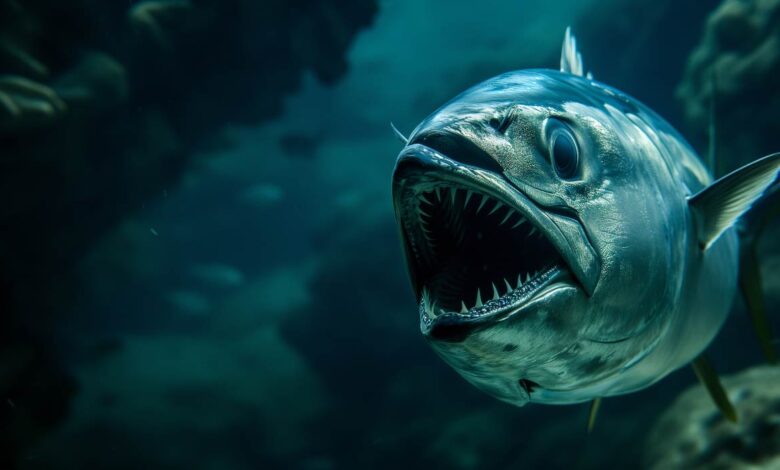
One of the most famous features of piragnia teeth is their sharp triangular shape. These teeth fit together perfectly like scissors, making their bite extremely effective. Their jaw strength is powerful for their size, allowing them to cut through flesh, scales, and even bones.
Most piranhas grow between six and fifteen inches, though some species can become larger. Their body color usually ranges from silver to dark gray, with some species showing bright red or orange bellies. This is especially true for the Red-bellied piranha.
Their eyes are sharp, helping them spot movement quickly in muddy river water. Their muscular body structure supports quick bursts of speed when feeding or defending territory.
Camouflage also helps them survive. Their body colors blend into river environments, making them harder for predators to spot. This physical design makes piragnia fish highly adapted for river life.
Types of Piragnia (Piranha Species) You Should Know
There are many types of piranhas, and understanding piragnia species helps explain their diversity. Although people may call them piragnia, all of them belong to the piranha family. Different species have different sizes, diets, and behavior patterns.
The Red-bellied piranha is one of the most recognized species. It is known for its bright red belly, strong bite, and social behavior. This species often forms schools and is one of the most studied piranhas.
The Black piranha is larger and has one of the strongest bites among freshwater fish. Its darker body gives it better camouflage in deep waters. It is known for powerful feeding behavior.
The Wimple piranha is smaller and less aggressive compared to other species. It often feeds on smaller prey and plant material.
Different piragnia species vary in aggression levels. Some are more defensive, while others are more peaceful. Their diets also differ. Some eat mostly meat, while others consume plants and seeds.
Knowing the types of piragnia helps people understand that not all piranhas behave the same way. Each species plays its own role in the river ecosystem.
What Do Piranha Eat? Diet and Feeding Habits
The piragnia diet is more varied than many people think. While piranhas are famous for eating meat, they are not only carnivores. Many species are omnivores, meaning they eat both plants and animals. This flexible diet helps them survive in changing river conditions.
Piranhas often eat smaller fish, insects, worms, and water animals. They also feed on seeds, fruits, and plant material that fall into the water. During certain seasons, fruits and seeds become an important food source.
Scavenger behavior is another major part of their feeding habits. Piranhas often eat dead animals in the water, helping clean the ecosystem. This role is important because it removes waste and reduces disease spread.
Their feeding patterns depend on food availability. When food is abundant, they feed calmly and selectively. During food shortages, they may become more aggressive and competitive.
Some species focus more on plants, while others prefer fish and meat. This variety makes their diet more complex than their reputation suggests.
So if you ask what do piragnia eat, the answer includes fish, insects, plants, fruits, and dead organic matter, showing they are adaptable feeders.
Are Piragnia Dangerous to Humans? Truth Behind the Fear
Many people ask if piragnia attack humans, mainly because of scary stories and movies like Piranha. These films created the idea that piranha are dangerous killers waiting to attack anything in water. But real life is very different.
Are piragnia dangerous? The honest answer is that they can be dangerous in specific situations, but attacks on humans are rare. Piranhas usually avoid large animals, including humans. They prefer smaller prey that is easier to manage.
Most human bites happen when piranhas feel threatened or when food is limited. Low water levels, crowded fish populations, or blood in the water may increase aggressive behavior. Even then, serious attacks are uncommon.
Piranhas use defensive behavior to protect nests and eggs. During breeding season, they may become territorial and bite if disturbed.
Their strong jaws can cause injury, but they are not natural human hunters. Their reputation is much larger than their actual threat level.
Understanding this truth helps remove fear and replace it with facts. Piragnia are powerful fish, but they are not the constant danger many people imagine.
Behavior and Social Life of Pirag nia Fish
Piragnia behavior is highly social and complex. Many piranha species live in schools, which means groups of fish swimming together. This group behavior helps them survive in rivers filled with predators.
One major reason they stay in groups is protection. Larger animals can attack piranhas, so being in a school reduces individual risk. Group living also improves feeding success.
Schooling behavior does not always mean group hunting. Many people believe piranhas hunt together like wolves, but often they simply feed in the same area because food is available there.
Piranhas communicate through body movement, water vibrations, and sound signals. This helps them warn each other about danger or defend territory.
Stress response is another important part of piragnia’s social life. When threatened, they react quickly, often moving together as one group. This helps confuse predators.
Territory matters during breeding. Some piranhas defend nesting areas aggressively to protect eggs.
Their social life shows intelligence and survival strategy. Instead of being wild attackers, piranhas are organized, protective, and adaptive fish.
Common Myths and Misconceptions About Piragnia
There are many piragnia myths that continue to spread online and in movies. One common myth says piranhas can eat a human alive within minutes. This is one of the biggest false ideas about them.
In reality, piranhas do not normally attack humans as prey. They may bite defensively, but they are not hunting people.
Another myth says they attack everything in water. This is also false. Piranhas often avoid large animals and prefer smaller, manageable food.
Some believe piranhas are always aggressive. The truth is their aggression depends on food supply, breeding season, and stress. Most of the time, they behave normally and calmly.
Another false belief is that they constantly hunt in packs. While they live in schools, this does not mean organized hunting all the time. Many schools exist mainly for safety.
These piranha facts show that much of their scary image comes from fiction, not science. Understanding the truth helps people appreciate these fish rather than fear them.
Ecological Importance of Piragnia in River Ecosystems
Piragnia play an important role in freshwater ecosystems. Their ecological importance is much greater than many people realize. As scavengers and predators, they help maintain balance in river systems.
One major role is cleaning dead animals from water. By eating dead organic material, they reduce waste and prevent water pollution. This supports healthier ecosystems.
Population control is another key role. Piranhas help manage smaller fish populations, preventing overpopulation and maintaining food chain balance.
Their feeding on plants and seeds also helps distribute plant material in river environments. This supports plant growth and ecosystem movement.
Piranhas are also food for larger animals like birds, reptiles, and larger fish. This makes them an important part of biodiversity.
Without piranha, river ecosystems could become unbalanced. Their role in cleaning, controlling, and supporting life makes them valuable to nature.
Threats, Conservation, and Future of Piragnia
Although piranhas are not currently endangered as a whole, some species face serious threats. Piragnia conservation is becoming more important because their natural habitats are under pressure.
Deforestation is one of the biggest threats. When forests near rivers are removed, water quality changes and breeding areas disappear. This affects survival rates.
Water pollution from farming, mining, and industry also harms piranhas. Polluted water reduces oxygen and damages food sources.
Climate change changes rainfall patterns and river temperatures, affecting breeding and food availability. Seasonal flooding may also become less predictable.
Illegal fishing is another problem. Some people catch piranhas for trade or food, reducing local populations.
Conservation efforts focus on protecting river habitats, reducing pollution, and supporting sustainable fishing practices. Protecting rainforest ecosystems is especially important.
The future of piranha depends on habitat protection. Healthy rivers mean healthy piranha populations and balanced ecosystems.
Why the Word Piragnia Is Becoming Popular Online
The word piragnia has become more popular online because of digital search behavior. Many users type words based on sound rather than correct spelling, which creates new keyword trends.
Search mistakes are common. If enough people type piragnia, search engines start recognizing it as a popular keyword. This increases visibility.
Social media also spreads the term quickly. Viral posts, videos, and comments often repeat incorrect spellings, making them more common.
Google auto-suggestions can strengthen this trend. If many users search piragnia, search engines may suggest it to new users, increasing its popularity further.
Content creators also target trending keywords, which adds more piragnia content online. This creates a cycle of repeated usage.
This digital behavior shows how internet culture can shape language. Even unofficial words like piragnia can become powerful online search terms through repetition.
Final Thoughts
Piragnia is a word that has grown in popularity through internet searches, spelling mistakes, and language variations, but its meaning remains connected to piranhas. It is not a separate fish species but another way people refer to one of South America’s most famous freshwater predators.
Understanding piragnia meaning helps clear up confusion. These fish are intelligent, social, and important to river ecosystems. They are not the bloodthirsty monsters shown in movies but adaptive animals with complex behavior and feeding habits.
From their habitat in the Amazon and Orinoco rivers to their sharp teeth, strong jaws, and ecological role, piranhas remain one of the most misunderstood fish in the world. Myths have shaped public fear, but science gives a clearer picture.
In the end, piragnia is mostly a naming variation, but the fish behind the word remains one of nature’s most misunderstood freshwater species. Learning the truth helps replace fear with understanding and respect for these remarkable creatures.